Exploring Prefabricated Housing Solutions in Tasmania
- scottwoods05
- 13 hours ago
- 4 min read
When I first heard about prefabricated housing solutions, I was curious but a bit skeptical. Could a home built off-site really match the charm and durability of traditional construction? After diving into the world of prefabricated homes, especially here in Tasmania, I discovered a fresh, smart way to expand living spaces without the usual headaches. If you’re thinking about adding a new room, a granny flat, or even a small office space, this might just be the game-changer you’ve been waiting for.
What Are Prefabricated Housing Solutions?
Prefabricated housing solutions, often called prefab homes, are structures built in sections at a factory and then transported to your property for assembly. This method contrasts with traditional building, where everything happens on-site. The beauty of prefab is in its efficiency and precision. Imagine baking a cake in a controlled kitchen rather than trying to whip it up outdoors in unpredictable weather. The result? A consistent, high-quality product.
In Tasmania, where weather can be a bit unpredictable and construction seasons short, prefab homes offer a practical alternative. They’re designed to meet local building codes and climate needs, ensuring your new space is both comfortable and compliant.
Benefits of Prefabricated Housing Solutions
Speedy construction: Since parts are made in a factory, the build time on-site is drastically reduced.
Cost-effective: Less labour on-site and fewer delays mean savings.
Quality control: Factory settings allow for better oversight and fewer mistakes.
Eco-friendly: Less waste and more efficient use of materials.
Flexibility: Modular designs can be customised to suit your needs.

Why Prefabricated Homes Are Perfect for Tasmania
Tasmania’s unique environment calls for smart building solutions. The island’s cooler climate, occasional heavy rains, and beautiful but sometimes rugged terrain can make traditional construction tricky and expensive. Prefabricated homes sidestep many of these challenges.
For example, because prefab sections are built indoors, weather delays are minimal. This means your project can stay on schedule, even during Tasmania’s wetter months. Plus, the controlled environment helps ensure materials aren’t damaged by moisture or temperature swings during construction.
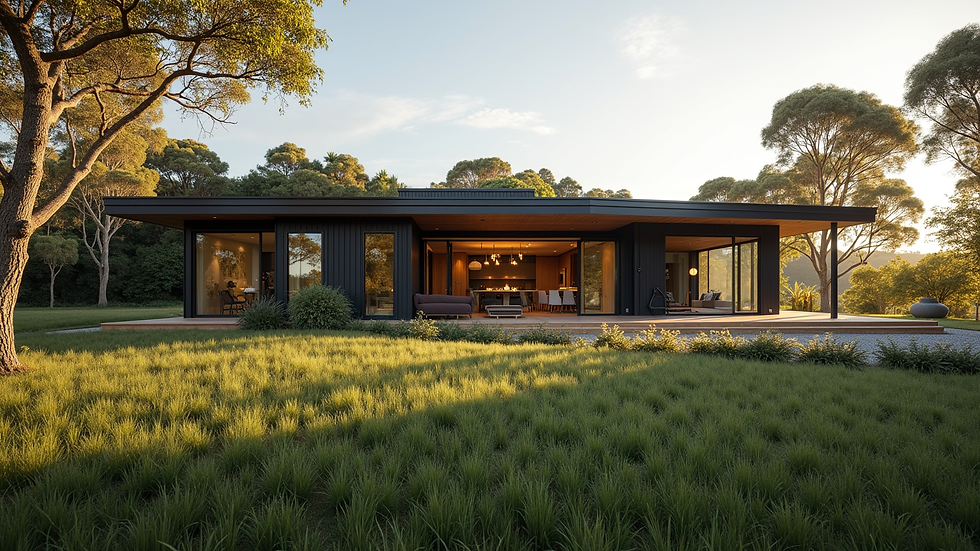
Another point to consider is the growing demand for affordable housing and additional living spaces. Whether you want a cosy guest house, a home office, or a rental unit, prefab homes offer a quick and stylish solution. They blend seamlessly with Tasmania’s natural beauty, often featuring timber finishes and eco-conscious designs that respect the local landscape.
How to Choose the Right Prefabricated Home for Your Property
Choosing a prefab home isn’t just about picking a design from a catalogue. It’s about matching your lifestyle, budget, and property conditions. Here are some tips to help you make the best choice:
Assess your needs: Are you after extra bedrooms, a workspace, or a holiday retreat? Knowing your purpose helps narrow down options.
Check local regulations: Tasmania has specific building codes and zoning laws. Make sure your prefab home complies.
Consider site access: Some prefab modules are large and require easy access for transport and installation.
Think about future expansion: Modular homes can often be extended later. Plan ahead if you think you might want to add more space.
Look for energy efficiency: Tasmania’s climate makes insulation and ventilation crucial. Choose designs with good thermal performance.
By taking these steps, you’ll avoid surprises and ensure your prefab home fits perfectly into your property and lifestyle.

The Process of Getting Your Prefabricated Home Ready
One of the things I appreciate most about prefabricated homes is how straightforward the process can be. Here’s a simple breakdown:
Design and planning: Work with your prefab provider to select or customise a design.
Permits and approvals: Submit plans to local councils and get the necessary permits.
Factory construction: Your home’s modules are built indoors, with quality checks at every stage.
Site preparation: While the modules are being made, your property is prepared with foundations and utilities.
Delivery and assembly: Modules are transported and assembled on-site, often within days.
Finishing touches: Final connections, painting, and landscaping complete the project.
This streamlined approach means less disruption to your daily life and a faster path to enjoying your new space.
Why I Recommend Exploring Prefabricated Homes Tasmania
If you’re curious about expanding your living or working space, I encourage you to explore prefabricated homes Tasmania. They offer a practical, affordable, and stylish way to add value to your property. Plus, with local providers who understand the Tasmanian environment, you’re in good hands.
Whether you want a compact studio, a family-sized home, or a clever workspace, prefab homes can be tailored to your needs. They’re not just buildings - they’re smart investments in your lifestyle and future.
Embracing the Future of Housing in Tasmania
The housing landscape is changing, and prefabricated homes are leading the way. They combine modern design, sustainability, and affordability in a package that suits Tasmania’s unique character. By choosing prefab, you’re not just building a structure - you’re embracing a smarter, more flexible way to live and work.
So, why wait? Dive into the world of prefabricated housing solutions and discover how easy and rewarding it can be to create your perfect space. Your dream home or workspace might be just a prefab module away!


Comments